Boxing World Titles Explained: WBA, WBC, IBF, WBO and What Undisputed Means
Four sanctioning bodies, four belts and one dream: becoming undisputed. Here is how boxing's world titles work and why there are so many champions.

In most sports there is one champion. In boxing, a single weight class can have four world champions at once. That sounds strange, but it all comes down to boxing's four major sanctioning bodies. Here are boxing's world titles explained.
The Four Major Sanctioning Bodies
| Belt | Organization |
|---|---|
| WBA | World Boxing Association |
| WBC | World Boxing Council |
| IBF | International Boxing Federation |
| WBO | World Boxing Organization |
Each organization keeps its own rankings and crowns its own champion in every weight class. They are independent, so their champions are often different fighters.
Undisputed vs. Unified
- Unified champion: holds two or three of the four major belts in a division.
- Undisputed champion: holds all four at the same time.
Becoming undisputed is the biggest achievement in modern boxing, because it means beating every rival champion. It is rare, and it rarely lasts: the sanctioning bodies' competing demands make it hard to keep all four belts.
Mandatory Challengers
Each sanctioning body orders its champion to fight its top-ranked contender, the mandatory challenger, within a set period. If the champion chooses another fight instead, the organization can strip the title and put it up for grabs. That is how a champion can lose a belt without losing a fight.
Extra Titles: Super, Interim and Regular
Some organizations add extra titles:
- The WBA often names a "super" champion above its regular champion.
- Interim titles are created when a champion is injured or inactive.
Fans often criticize these extra belts for making the title picture confusing.
The Ring Magazine Title
The Ring magazine also awards a championship. It is not a sanctioning body, but its belt is respected because it tends to go to the fighter widely recognized as the best in the division.
Weight Classes
Professional boxing has 17 weight classes, from minimumweight (105 lbs) to heavyweight (no upper limit). Popular divisions include welterweight (147 lbs), middleweight (160 lbs) and light heavyweight (175 lbs), and each one has its own set of world champions.
How Title Fights Work
- World title fights are 12 rounds of 3 minutes.
- Like MMA, boxing uses the 10-point must system, with three judges scoring each round.
- A fight can end by knockout, technical knockout, decision or disqualification.
Why So Many Belts?
Boxing has no single governing league. Promoters, TV networks and sanctioning bodies all compete, and each organization earns fees from title fights. The result is more champions and more title fights, and plenty of debate about who is really the best.
Keep Reading
Compare boxing's divisions with the octagon in our UFC weight classes explained, see how judges score fights in our 10-point must system guide, and follow every fight on our UFC and boxing news page.
Background from Wikipedia
Undisputed championship (boxing)
In boxing, the undisputed champion of a weight class is the boxer who simultaneously holds world titles from all major organizations recognized by each other and the International Boxing Hall of Fame. There are currently four major sanctioning bodies: WBA, WBC, WBO, and IBF. There were many undisputed champions before the number of major sanctioning bodies recognizing each other increased to four in 2007, but there have been only 26 boxers (11 male and 15 female) to hold all four titles simultaneously.
Text from Wikipedia, CC BY-SA 4.0
Frequently Asked Questions
What are the four major boxing belts?
The four major world titles are awarded by the World Boxing Association (WBA), the World Boxing Council (WBC), the International Boxing Federation (IBF) and the World Boxing Organization (WBO).
What does undisputed champion mean in boxing?
An undisputed champion holds all four major world titles in a weight class at the same time: the WBA, WBC, IBF and WBO belts.
What is a unified champion?
A unified champion holds two or three of the major world titles in a division, but not all four.
What is a mandatory challenger?
A mandatory challenger is the top-ranked contender a sanctioning body orders its champion to fight within a set time. A champion who refuses can be stripped of the belt.
Sources & Official Resources
Rules, schedules and statistics in this article are checked against these official sources. See our editorial policy for how we fact-check.
Join the Conversation
Got a take? Share this story and tell us what you think. We read every reply.
Keep Reading




More to Explore
List of boxing families
This is a list of boxing families with two or more notable boxers. Many families have had multiple members become famous in the sport of boxing, with some having held multiple world titles.
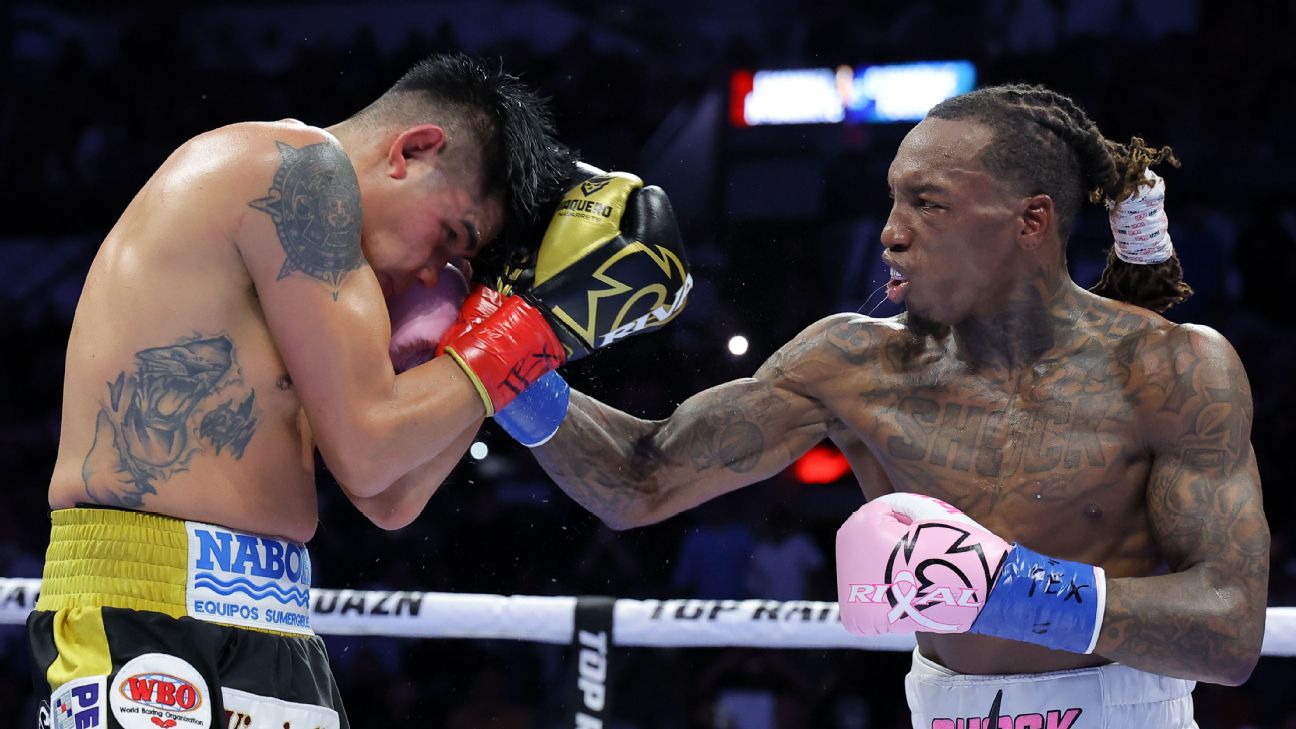
Foster routs Navarrete to unify titles, eyes undisputed crown, Stevenson next
O'Shaquie Foster punctuated a dominant performance with two 12th-round knockdowns, routing Emanuel Navarrete to unify the WBC, IBF and WBO 130-pound titles.

Bernard Hopkins
Bernard Hopkins Jr. (born January 15, 1965) is an American former professional boxer who competed from 1988 to 2016.

Boxing schedule
Want to know what fights are on the horizon? Check out the boxing schedule.
Boxing in the 2000s
Boxing in the 2000s includes notable events about boxing which occurred between 2000 and 2009.
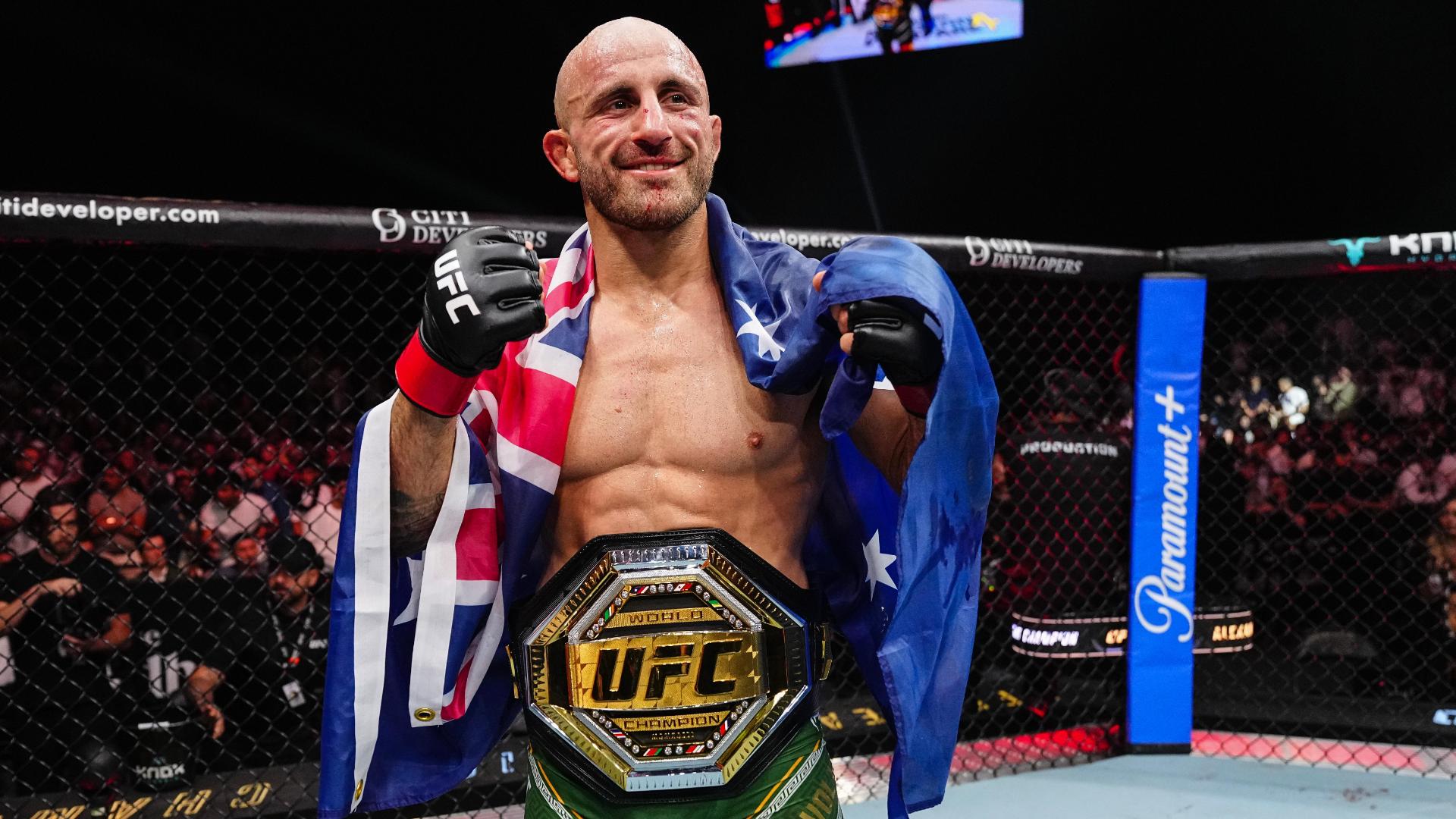
White tells Makhachev 'you can't hold up' division, books interim title bout
UFC CEO Dana White said welterweight champ Islam Makhachev gave no reason for declining a January title defense, forcing the promotion to book an interim title bout.
Boxing in the 2010s
Boxing in the 2010s includes notable events about boxing which occurred between 2010 and 2019. The decade saw high intensity action in the welterweight division.

Kavanagh secures R1 finish at UFC 333, joins flyweight title talk
England's Lone'er Kavanagh catapulted himself into flyweight title contention on Saturday with a devastating Round 1 finish of Ramazonbek Temirov in Abu Dhabi.
Wikipedia summaries are licensed CC BY-SA 4.0. Headlines and photos belong to their publishers.