How F1 Championships Get Clinched: The Math Behind Antonelli's 2026 Title
A title is clinched once no rival can catch up even by winning every remaining race. Kimi Antonelli sealed the 2026 championship in Mexico City by finishing third after Max Verstappen's win denied his closest rivals, George Russell and Lewis Hamilton, a path back into the fight.

Formula 1 titles rarely come down to the final lap of the final race. More often, a champion is crowned early, the moment the points math makes the outcome unavoidable. That is exactly what happened in 2026, when Kimi Antonelli wrapped up the Drivers' Championship at the Mexico City Grand Prix, becoming the youngest champion in F1 history at 20 years and 68 days old. Here is how that math actually works, and how it played out this season.
How F1 Decides Its Champion
The Drivers' Championship is simply a season-long sum of points. The winner of each Grand Prix earns 25 points, with points paid down to 10th place, and sprint races add a smaller pool on top for the handful of weekends that run one. Whoever has the most points once the final checkered flag of the season falls is champion. For the full scoring breakdown, see our guide to the F1 points system.
The Simple Math: Can a Rival Still Catch Up?
A title gets clinched before the season ends whenever the leader's advantage over every rival is bigger than the maximum number of points that rival could still score. Broadcasters and journalists calculate this by multiplying the points available per remaining race (25 for a win, plus 8 more on a sprint weekend) by the number of races left, then comparing that ceiling to each rival's deficit.

If a chasing driver's deficit is already larger than every point still on the table, the math is over, regardless of how many races remain. If it is not, the title stays alive, and the calculation has to be redone after every session.
Different Ways a Title Gets Clinched Early or Late
Not every championship wraps up the same way. Sometimes a dominant driver builds such a large lead that the title is mathematically secure with several races still to run, win or lose. Other times, as in 2026, the clinch depends on more than just the leader's own result: it can turn on how the leader's closest rivals finish in the very same race, which is why a title can be sealed mid-race rather than only after the checkered flag.
The 2026 Title Race, in Brief
Antonelli, in his first full season with Mercedes, built a season-long points lead that survived a late push from Red Bull's Max Verstappen and Mercedes teammate George Russell. After winning at the United States Grand Prix in Austin, Antonelli arrived in Mexico City needing only a modest result to put the title away, provided his closest title rivals did not win the race outright. For the full build-up heading into that weekend, see our Mexico City title-clinch preview.

How Antonelli Clinched at the Mexico City Grand Prix
The Mexico City Grand Prix itself settled it. Max Verstappen won the race, with Lewis Hamilton second and Antonelli third. Because Verstappen took the win, neither Russell nor Hamilton, Antonelli's two closest rivals in the standings, could score the maximum points needed to keep the title fight alive. Antonelli's third-place finish was therefore enough to clinch the championship on the spot, even though he did not win the race himself.
| Pos | Driver | Points After Mexico City |
|---|---|---|
| 1 | Kimi Antonelli | 380 |
| 2 | Max Verstappen | 261 |
| 3 | Lewis Hamilton | 259 |
| 4 | George Russell | 250 |
| 5 | Charles Leclerc | 245 |
Why Mid-Race Clinches Happen
This is the detail that trips up a lot of fans: a championship leader does not need to win, or sometimes even score at all, to clinch a title. What matters is the combined result across every driver who could still mathematically catch them. Once the race unfolds in a way that removes every realistic path for the closest rivals, the title is over, even for drivers still out on track in the closing laps.
What Happens After a Title Is Clinched
Clinching the Drivers' Championship early does not end the season. Four rounds, São Paulo, Las Vegas, Qatar and Abu Dhabi, remained on the 2026 calendar after Mexico City, and they still mattered for the Constructors' Championship and for every other position in the standings, which affects prize money and next season's resources for every team on the grid.

Why Clinching Early Is Not the Same as Coasting
A clinched Drivers' title does not freeze the rest of the grid in place. Teammates still fight each other for runner-up finishes that carry real bragging rights and contract leverage, midfield teams still chase every point toward the Constructors' standings that decides prize money, and a driver who has already won the title often keeps racing just as hard, partly out of habit and partly because a late slump still looks bad on the record books. Antonelli himself continued competing for wins after Mexico City rather than simply managing the gap home.
How This Differs From a Down-to-the-Wire Finish
Some seasons are not decided until the final lights go out at the last race of the year, when two or more drivers arrive within a handful of points of each other and every finishing position matters. Those seasons tend to dominate the headlines precisely because the math stays alive deep into the winter calendar. A season like 2026, decided with races still to spare, gets less attention in the moment but is no less a product of the same underlying math: it is simply a case where one driver's deficit crossed the uncatchable line earlier than usual.
Format at a Glance
| Step | What It Means |
|---|---|
| Find the deficit | Points gap between the leader and closest rival |
| Find the ceiling | Maximum points still available in remaining races |
| Compare | If the deficit exceeds the ceiling, the title is clinched |
| Mid-race clinches | Possible when a rival's result that day removes their own path to the ceiling |
Why It Matters
Understanding this math turns the final stretch of any F1 season from a guessing game into something you can calculate yourself before the TV graphics catch up. Read more on Antonelli's full run to the championship and follow the rest of the season in our F1 coverage.
More from ForTheFans
Background from Wikipedia
2026 Formula One World Championship
The 2026 FIA Formula One World Championship is a motor racing championship for Formula One cars and the 77th running of the Formula One World Championship. It is recognised by the Fédération Internationale de l'Automobile (FIA), the governing body of international motorsport, as the highest class of competition for open-wheel racing cars. The championship is contested over twenty-three Grands Prix held around the world. It began in March and is scheduled to end in December.
Text from Wikipedia, CC BY-SA 4.0
Frequently Asked Questions
How is an F1 championship mathematically clinched?
A driver clinches the title once their points lead is bigger than the maximum number of points any rival could still score in the races remaining, no matter what happens.
Who won the 2026 F1 Drivers' Championship?
Kimi Antonelli won the title, clinching it at the Mexico City Grand Prix on November 1, 2026, with three races still left on the calendar.
How did Antonelli clinch the title in Mexico City?
Antonelli finished third. Max Verstappen won the race, which meant Antonelli's closest championship rivals, George Russell and Lewis Hamilton, could not win it, so Antonelli's result was enough to clinch regardless of their finishes.
Can an F1 title be clinched without the leader finishing first?
Yes. A title often gets clinched through a mix of results. A leader can secure the championship with a modest finish if their closest rivals fail to win, or even fail to score at all.
Was Antonelli the youngest F1 champion ever?
Yes. At 20 years and 68 days old, Antonelli became the youngest Drivers' Champion in Formula 1 history.
Sources & Official Resources
Rules, schedules and statistics in this article are checked against these official sources. See our editorial policy for how we fact-check.
Join the Conversation
Got a take? Share this story and tell us what you think. We read every reply.
Keep Reading


More to Explore

2026 Belgian Grand Prix
The 2026 Belgian Grand Prix (officially known as the Formula 1 Moët & Chandon Belgian Grand Prix 2026) was a Formula One motor race that took place on 19 July 2026 at the Circuit de Spa-Francorchamps in Stavelot, Belgium. It was the tenth round of the 2026 Formula One World Championship.
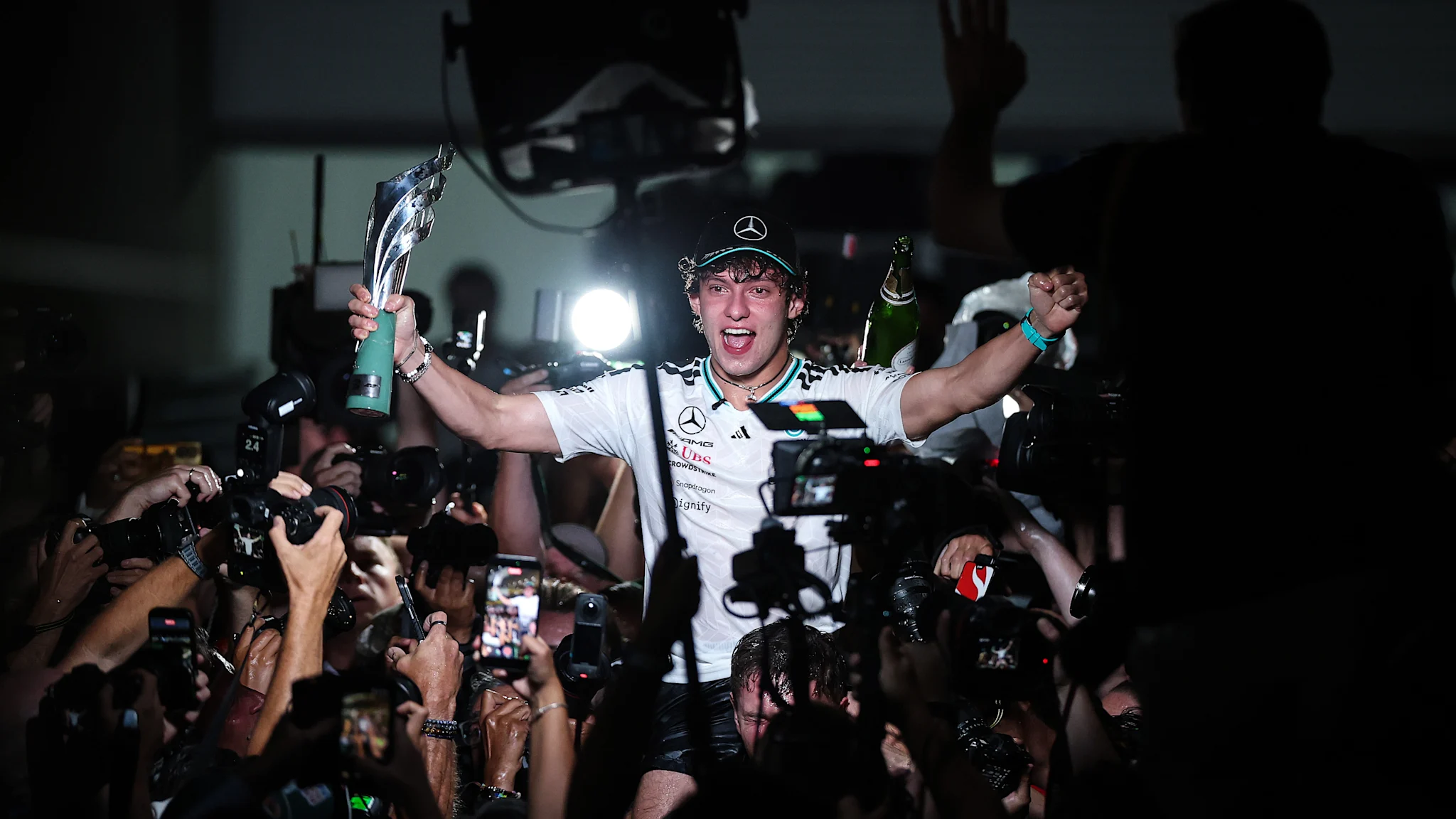
F1’s youngest World Champions as Antonelli smashes record
Aged just 20, Kimi Antonelli has joined an exclusive club of F1 World Champions by clinching the 2026 world title.

2026 Azerbaijan Grand Prix
The 2026 Azerbaijan Grand Prix (officially known as the Formula 1 Qatar Airways Azerbaijan Grand Prix 2026) was a Formula One motor race held on 26 September 2026 at the Baku City Circuit in Baku, Azerbaijan. It was the fifteenth round of the 2026 Formula One World Championship.
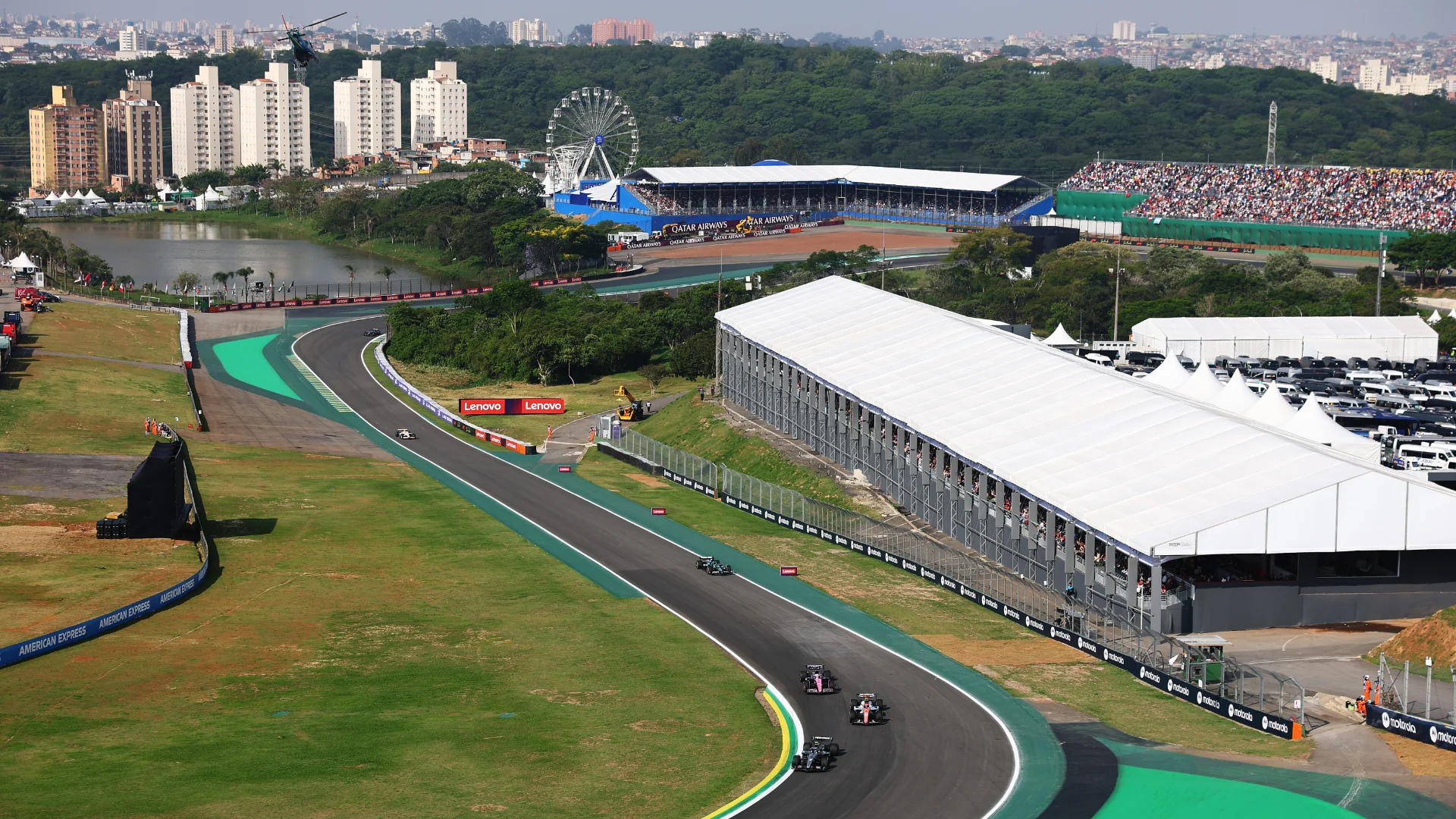
What time is the 2026 Sao Paulo GP and how can I watch it?
Here are all the timings – along with all the additional information you need – for the 20th Grand Prix weekend of the 2026 season from Brazil.

2026 Singapore Grand Prix
The 2026 Singapore Grand Prix (officially known as the Formula 1 Singapore Airlines Singapore Grand Prix 2026) was a Formula One motor race that was held on 11 October 2026 at the Marina Bay Street Circuit in Marina Bay, Singapore. It was the seventeenth round of the 2026 Formula One World Championship and the sixth and final Grand Prix in the season to utilise the sprint format.
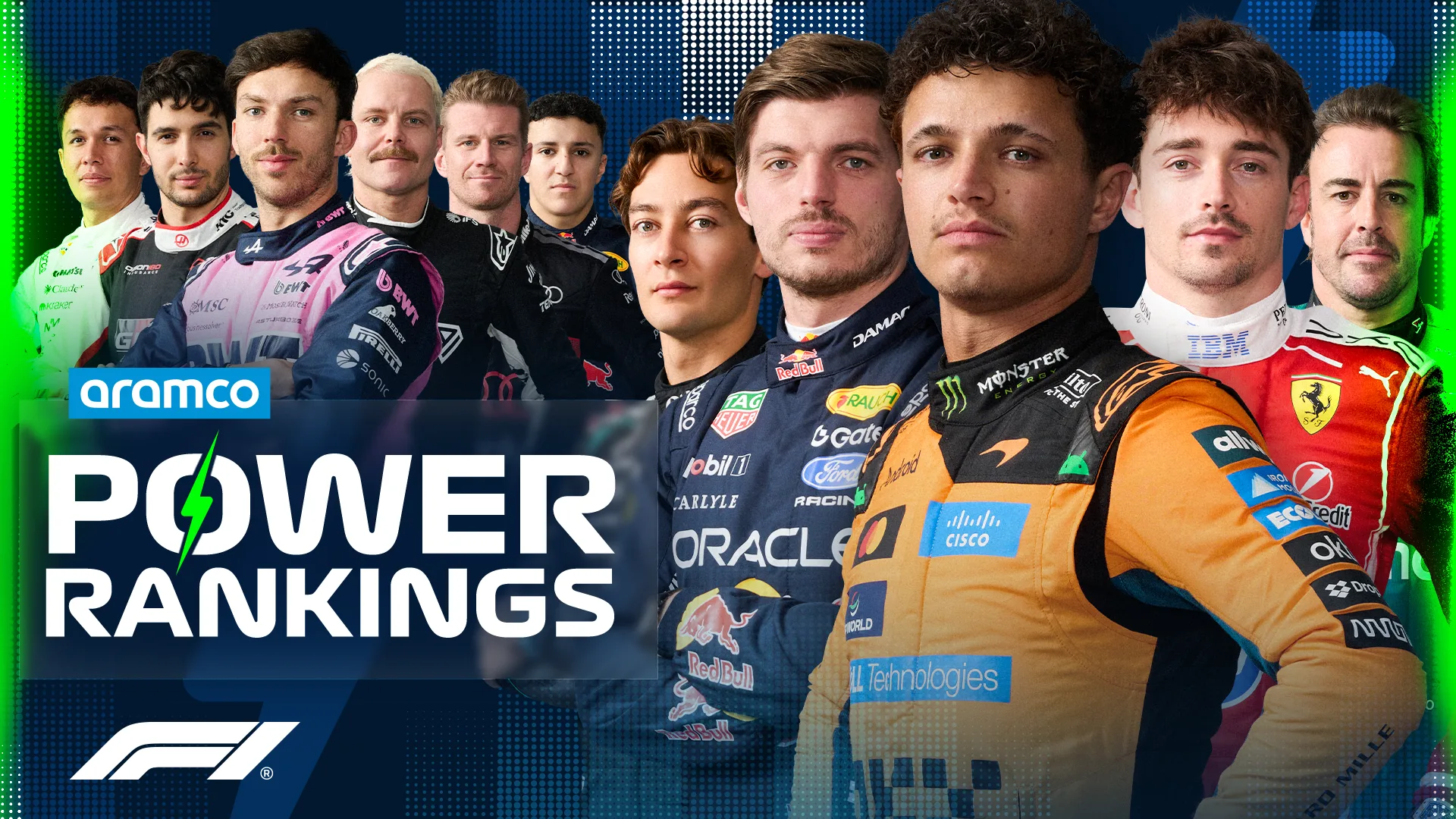
Who impressed our Power Rankings judges in Mexico City?
Find out who featured at the top of the Power Rankings table after the Mexico City Grand Prix weekend.

2025 Formula One World Championship
The 2025 FIA Formula One World Championship was a motor racing championship for Formula One cars and the 76th running of the Formula One World Championship. It was recognised by the Fédération Internationale de l'Automobile (FIA), the governing body of international motorsport, as the highest class of competition for open-wheel racing cars.
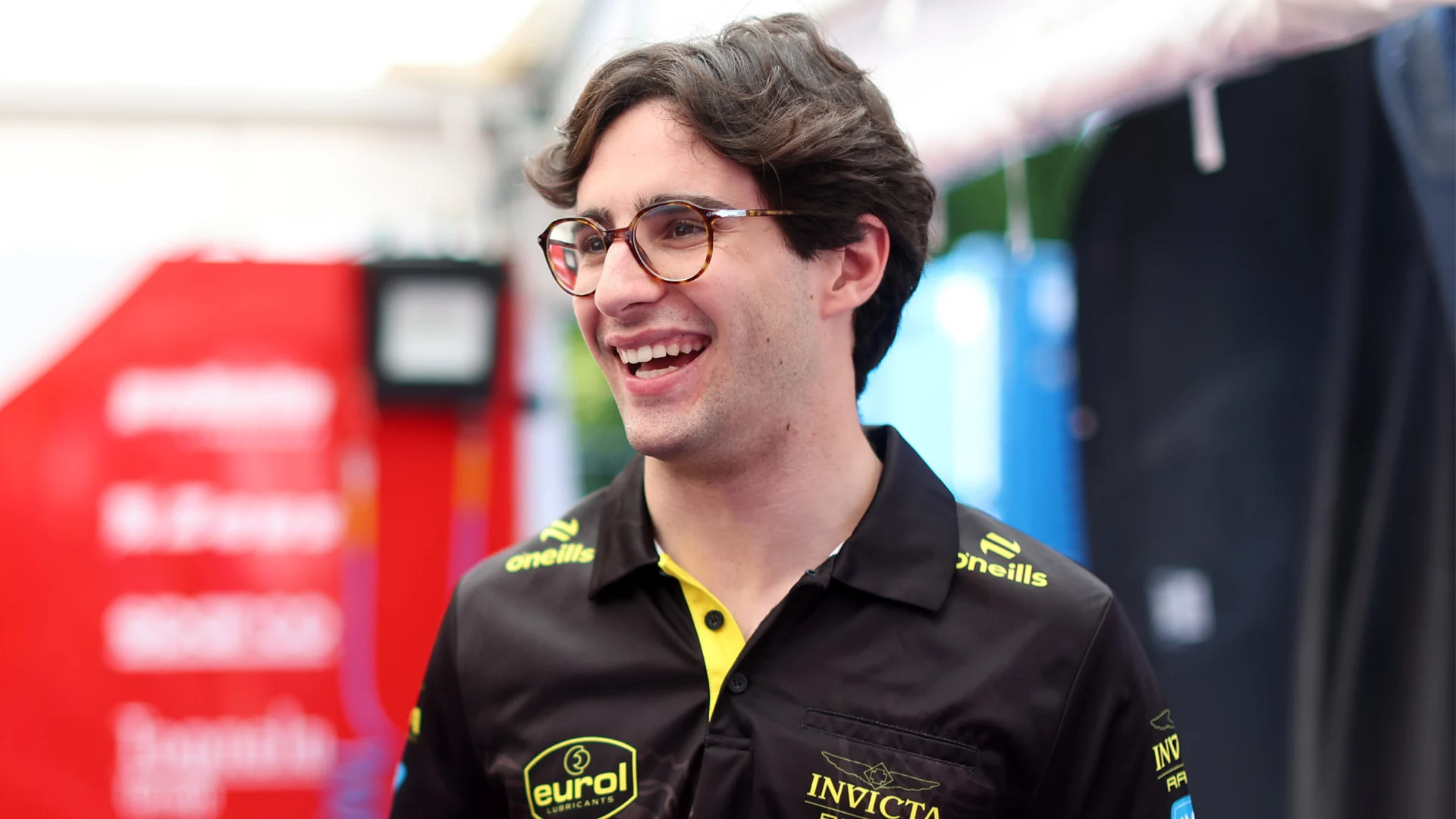
Camara to make F1 debut for Haas in Sao Paulo
Rafael Camara’s F1 debut with Haas has been brought forward to the Sao Paulo Grand Prix.
Wikipedia summaries are licensed CC BY-SA 4.0. Headlines and photos belong to their publishers.