NBA Rules Explained: Shot Clock, Fouls, Free Throws and the Calls Fans Argue About
Twenty-four seconds to shoot, six fouls and you are out, and a lane you cannot camp in. Here are the NBA rules that shape every possession.
The NBA is the fastest major sport to pick up, but a handful of rules shape every possession, and they cause most of the arguments at the bar. Here are the NBA rules that matter most, explained simply.
Game Length and Overtime
- Four quarters of 12 minutes, 48 minutes of game time
- A halftime break after the second quarter
- Overtime: if the game is tied, teams play 5-minute periods until someone wins. There are no ties in the NBA.
Thanks to timeouts, fouls and reviews, a game usually takes about two and a half hours in real time.
The Shot Clock: 24 Seconds
Each possession has a 24-second shot clock. The offense must attempt a shot that hits the rim before it expires, or it loses the ball.
- The clock resets to 24 when possession changes.
- It resets to 14 after an offensive rebound off the rim, and on some fouls.
The shot clock is why NBA games are so fast and high-scoring.
Time Rules: 8 Seconds and 3 Seconds
- 8-second rule: after gaining possession in the backcourt, the offense has 8 seconds to bring the ball past half court.
- Backcourt violation: once the ball crosses half court, the offense cannot take it back.
- Offensive 3 seconds: an offensive player cannot stand in the lane, the painted area under the basket, for more than 3 seconds at a time.
- Defensive 3 seconds: a defender cannot stay in the lane for more than 3 seconds unless closely guarding an opponent. This rule is unique to the NBA and keeps big men from simply parking under the rim.
Traveling and Dribbling
- Traveling: a player holding the ball can take two steps before passing or shooting. The famous "gather step" is the moment a player picks up the ball, and it does not count as one of the two.
- Double dribble: a player cannot dribble, stop and then dribble again, or dribble with both hands at once.
- Carrying: the hand cannot go under the ball while dribbling.
Fouls
Personal fouls are illegal contact: holding, pushing, hacking or blocking a moving player.
- A player who commits six personal fouls fouls out and must leave the game.
- Charging vs. blocking: if a defender establishes legal position before the offensive player starts the shooting motion, the offensive player is called for a charge. If the defender is still moving or under the basket in the restricted area, it is a blocking foul.
- Technical fouls are for unsportsmanlike conduct and give the other team one free throw. Two technicals mean an ejection.
- Flagrant fouls are unnecessary or excessive contact and lead to free throws plus possession, and sometimes an ejection.
Free Throws and the Bonus
A player fouled while shooting gets free throws: two for a missed two-point shot, three for a missed three, and one if the shot goes in (the "and-one").
Non-shooting fouls usually just give the ball back to the offense, until the defense hits the bonus:
- Once a team commits five team fouls in a quarter, every defensive foul sends the opponent to the line for two free throws.
- In the last two minutes of a quarter, a team that has not reached the limit goes into the bonus on its second foul.
That is why you see intentional fouling late in close games.
Goaltending
Goaltending is touching a shot on its way down toward the basket, or touching the ball while it is directly above the rim. The basket counts automatically. Basket interference is the same idea for touching the rim or net during a shot.
Coach's Challenge
Each coach can challenge a call, such as a foul or an out-of-bounds decision, by calling a timeout. Officials then review the play on video.
Keep Reading
See how the postseason field is set in our NBA Play-In Tournament explained, and catch the latest on our NBA news page.
Frequently Asked Questions
How long is an NBA game?
An NBA game has four 12-minute quarters, 48 minutes in total. Tied games go to 5-minute overtime periods until there is a winner.
How many fouls does it take to foul out in the NBA?
Six. A player who commits six personal fouls is disqualified for the rest of the game.
What is the shot clock in the NBA?
Teams have 24 seconds to attempt a shot that hits the rim. The clock resets to 24 on a change of possession, and to 14 after an offensive rebound off the rim.
What does it mean when a team is in the bonus?
A team is in the bonus once its opponent commits five team fouls in a quarter. From then on, every defensive foul sends the fouled player to the free-throw line for two shots.
Sources & Official Resources
Rules, schedules and statistics in this article are checked against these official sources. See our editorial policy for how we fact-check.
Join the Conversation
Got a take? Share this story and tell us what you think. We read every reply.
Keep Reading

More to Explore
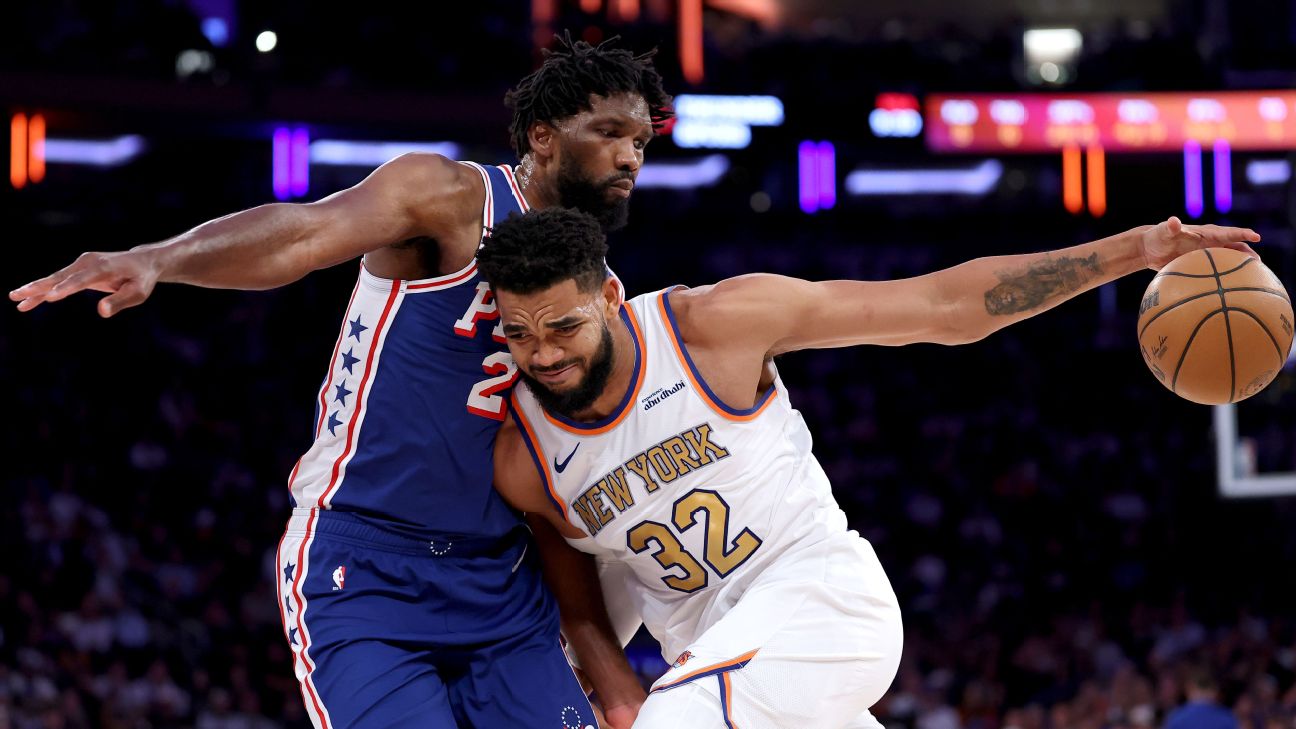
Opening week intel: A new trend in contract talks; another pricey decision in OKC
Why star contract negotiations have shifted, why OKC is preparing for more roster changes.
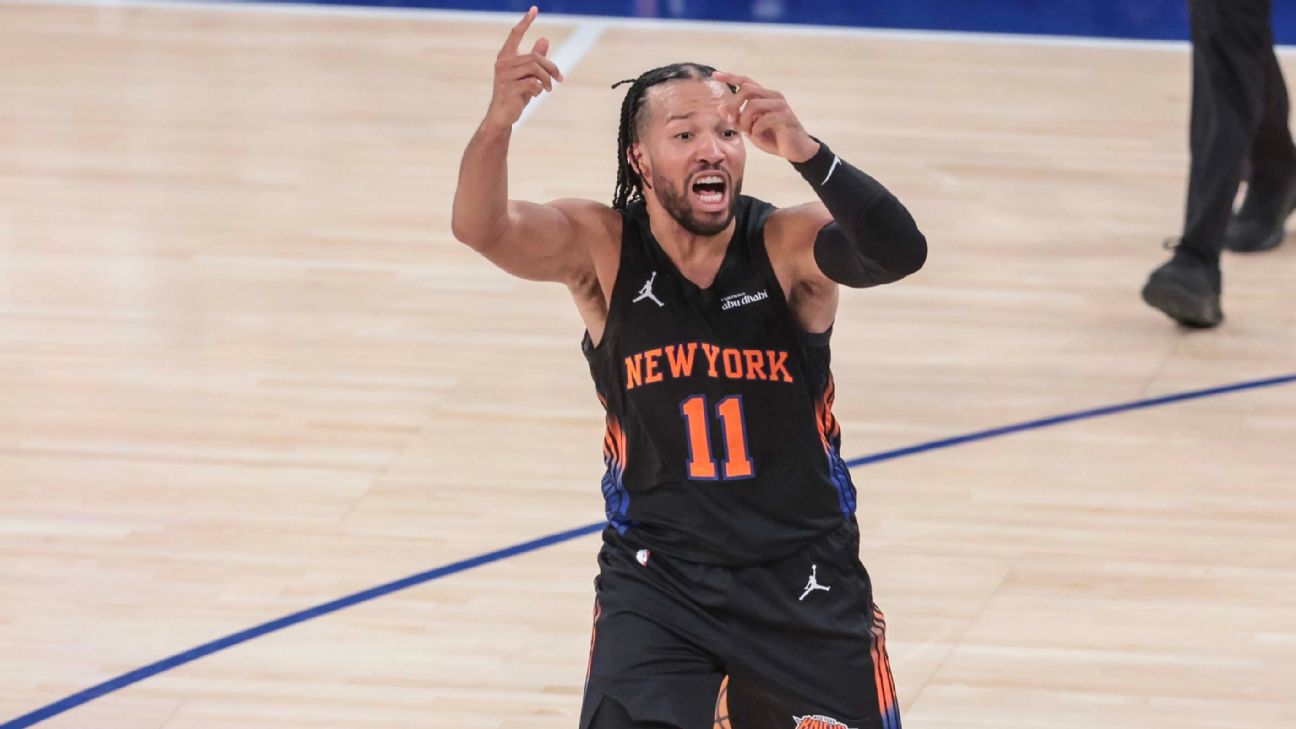
'Everything falls on my shoulders,' Brunson says of Knicks' sputtering offense amid 0-3 start
The Knicks lost their third straight game Sunday against the Magic, becoming the first defending champion to open a season 0-3 since the 2011-12 Mavs. "Everything falls on my shoulders," Jalen Brunson said in reference…
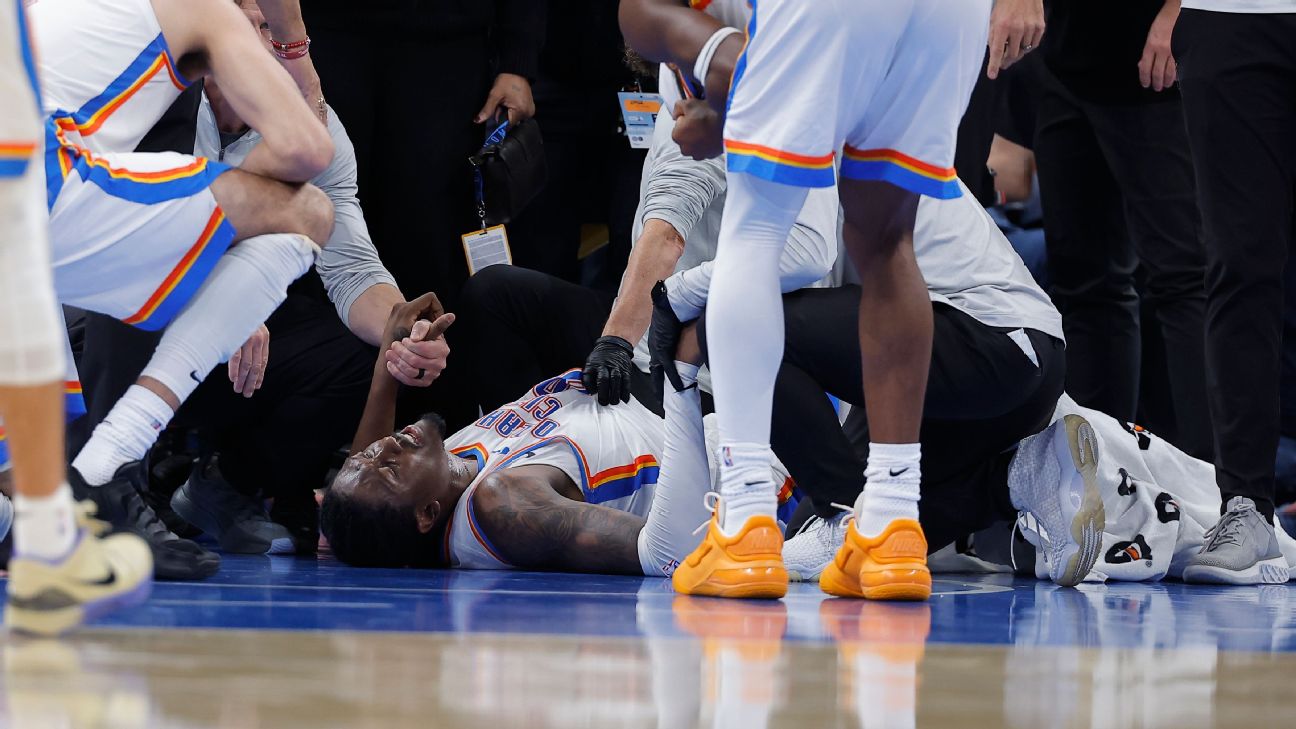
Thunder guard Williams stretchered off after suffering significant leg injury
There was no immediate diagnosis from the Thunder on Jalen Williams' injury, with coach Mark Daigneault saying the team would be briefed Monday morning.
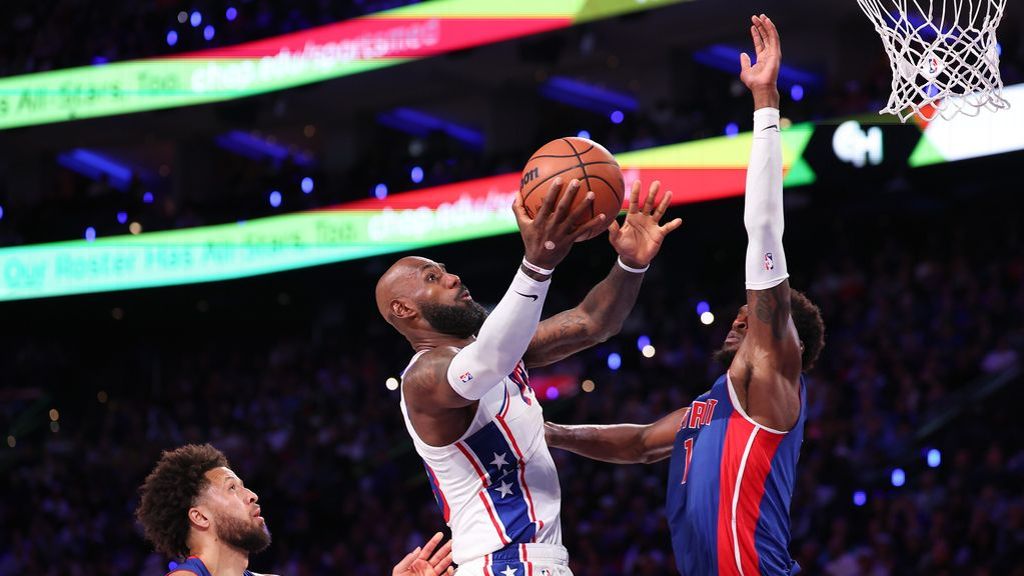
LeBron hopeful cameo at center won't be fixture for short-handed 76ers
LeBron James started at center for the short-handed 76ers on Sunday vs. the Pistons, a role he hopes he won't have to occupy much this season.
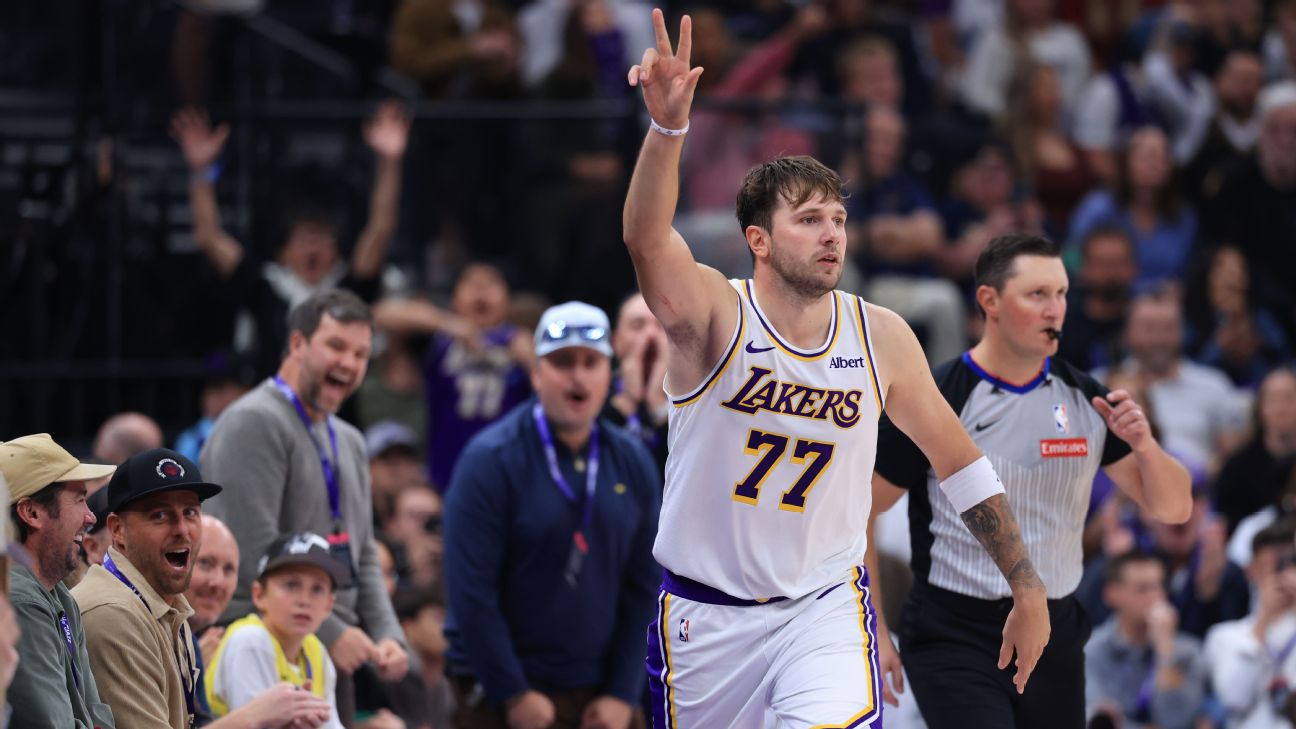
Doncic has NBA's first 50-point game of season as Lakers reach 3-0
Luka Doncic scored 52 points, hitting eight 3-pointers, to lead the Lakers to a 132-123 victory over the Jazz on Sunday. It was the first 50-point game this season in the NBA.
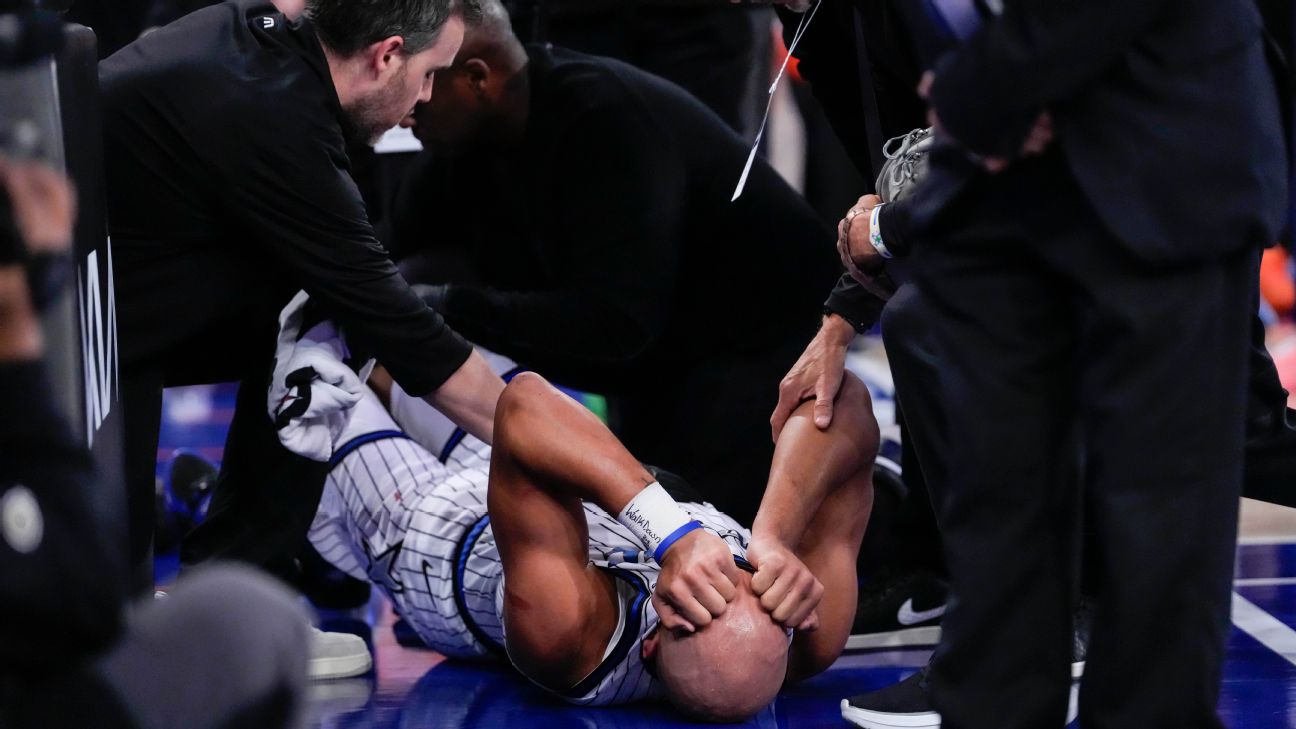
Magic's Suggs helped off floor late in win vs. Knicks with apparent knee injury
Magic guard Jalen Suggs had to be helped off the floor late in the fourth quarter Sunday against the Knicks after suffering an apparent right knee injury.

Knicks believe early season struggles are fixable: 'We're not quite there yet'
There are many reasons why the defending champion Knicks are 0-3. But head coach Mike Brown sees three reasons that are the most glaring, and fixable.
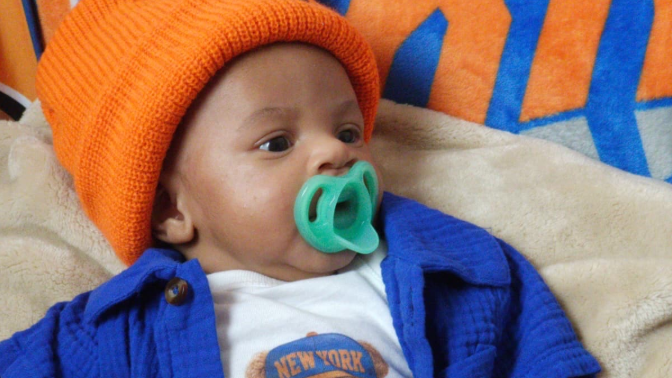
✋ NY couple names son Knickson Fyve after Knicks title chant
Vance and Yvonne Bradford's newborn son is named for the popular chant that filled the streets of New York after the Knicks' first title in over 50 years.
Wikipedia summaries are licensed CC BY-SA 4.0. Headlines and photos belong to their publishers.